Impressionism (Episode 38)

Thanks for tuning in to our episode about the late nineteenth century Impressionist art movement. Here's a visual guide to this week's show!
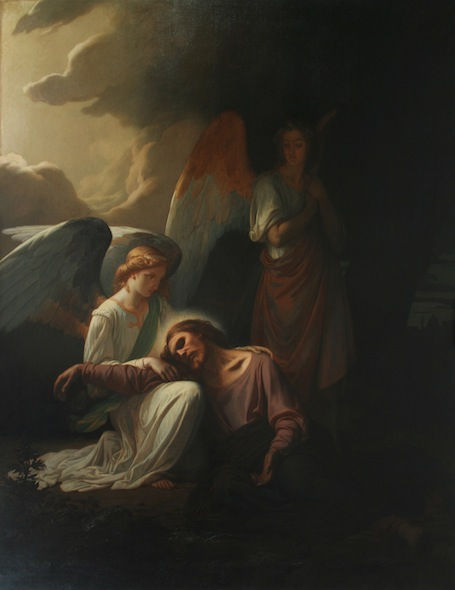
Prior to the Impressionists, the French art world was strictly controlled by the Royal Academy of Arts, who determined which paintings could be displayed at the Salon de Paris (The Paris Exhibition). They preferred studio portraits painted in the classical way with traditional religious or historic subjects, like Alexandre Cabanel's Christ in the Garden of Olives seen below.
But things started to change when an alternative exhibition, called the Exhibition of the Rejects, made its debut in 1863. There, a painting called The Luncheon on the Grass by Edouard Manet was displayed.

This painting scandalized the art community. Not because of its nudity--there's plenty of that in classical art--but because it's just so casual. Just an ordinary woman hanging out in the woods with two fully clothed men. We don't know who any of them are.
Things really went off the rails in 1874 when Claude Monet released Impression, Sunrise. The fuzzy details, the loose brush strokes, and the outdoor setting almost made a mockery of traditional photorealistic painting. One art critic called it "Impressionist," as it was more of an amateur's impression than a real painting.
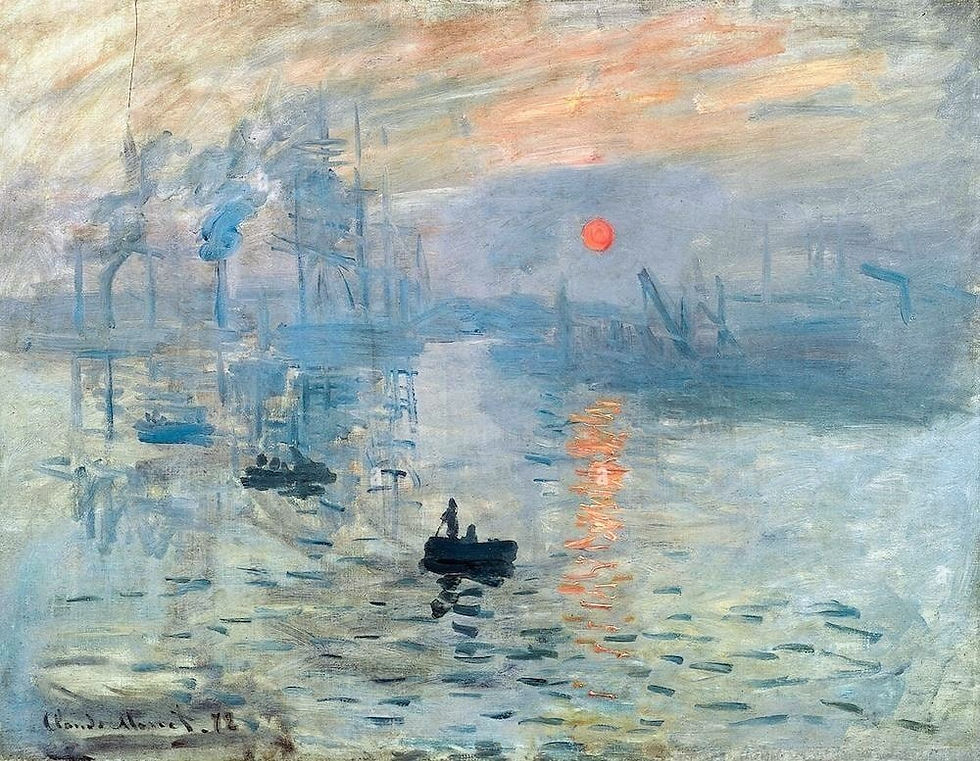
The name stuck and it's actually descriptive. These paintings create an emotional impression from the subject--tranquil scenes of nature, warm sunrises, convivial gatherings--rather than a realistic reproduction.
Below are a few more classical examples. Here's Pierre-Auguste Renoir's Luncheon of the Boating Party.

American artists like Mary Cassatt, an expat living in France, also got in on the movement. Here's her The Boating Party.

Thanks for tuning in this week. Also, if you run into the producers, please tell them that minions need at least 2 hours sunlight and more than one meal of gruel.


Comments